GalaxySat-1 - Pocketqube Standard Mission
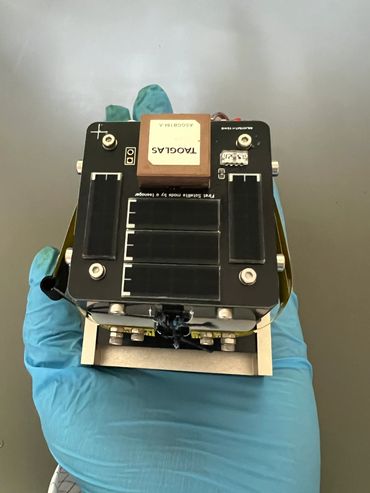
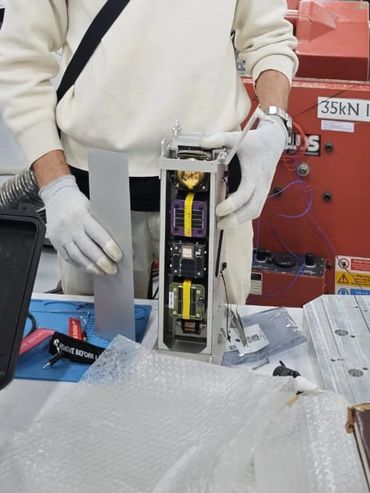
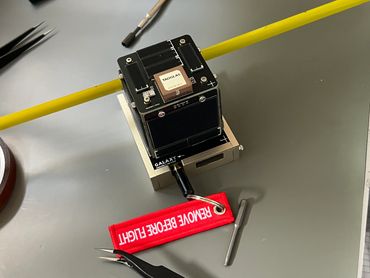
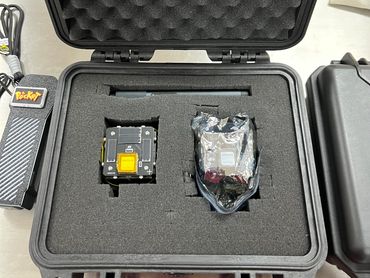
After discovering the possibility of launching a standard satellite smaller than a CubeSat, which is cheaper, I decided to challenge myself even more and, driven by curiosity and a passion for space, spacecrafts, and science, I designed and built GalaxySat-1, a PocketQube standard picosatellite developed as a personal mission to study lightning formation. If the mission was successful, the project was made to be open hardware.
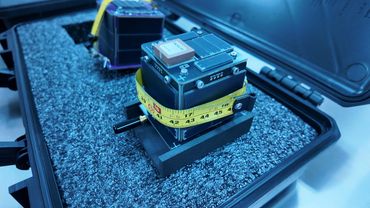
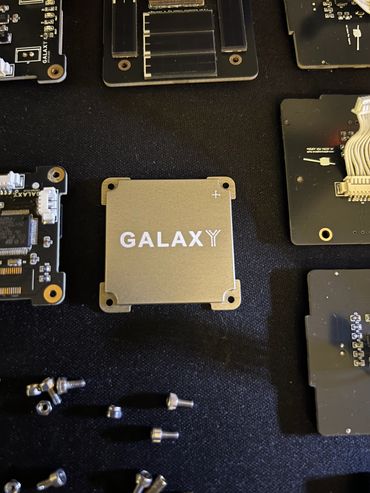
The satellite integrates multiple subsystems, including the structure, OBDH, EPS, payload, and RF communication system. All designed at home. Only the battery is COTS. The design was iterated on multiple times to improve subsystem integration, reliability, and launch readiness.
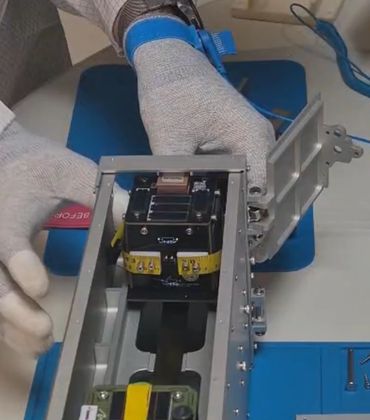
The satellite was scheduled to be deployed aboard the ISRO PSLV-C62 rocket on January 12, 2026. However, a third stage of the launch vehicle demonstrated an anomaly at approximately 370 km altitude, resulting in the loss of the mission before the satellite was placed into the designated SSO orbit.
Project Type
Satellite
Location
Sao Paulo, SP, Brazil and India
Role/Type
Personal Project
Time
August 2021 - January 2026

Timelapse
Assembly Timelapse
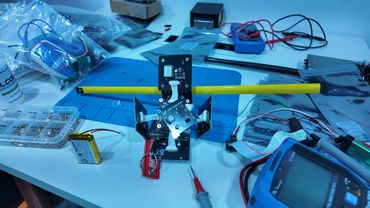
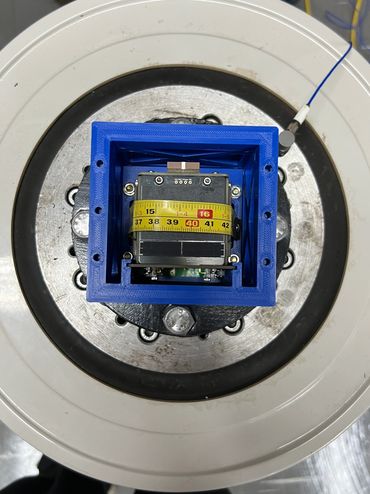
Engineering Model